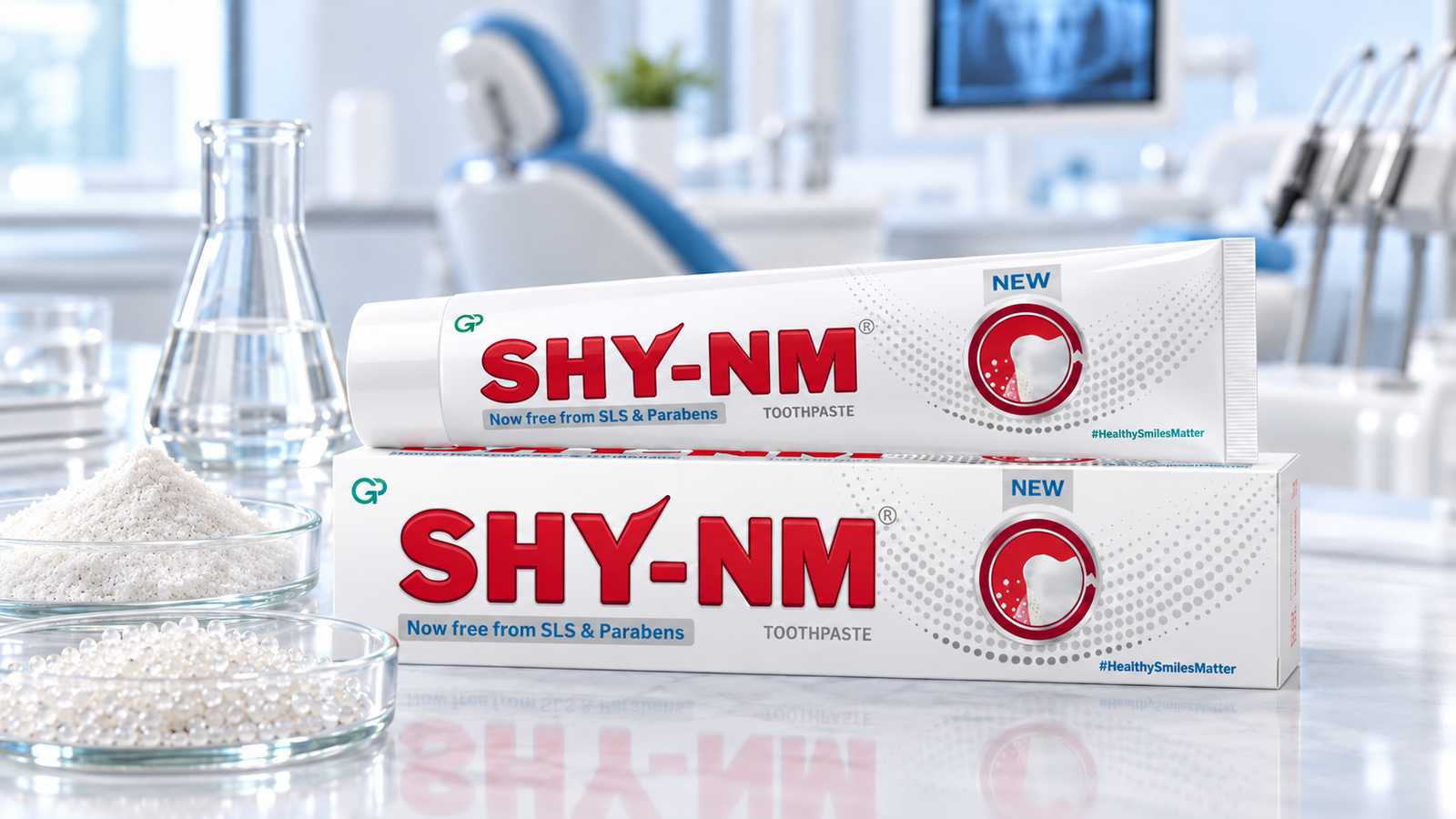
Sensitive teeth can make everyday moments uncomfortable. Cold, hot or sweet foods and drinks may trigger a sudden sensation that makes people look for an effective toothpaste for sensitive teeth.
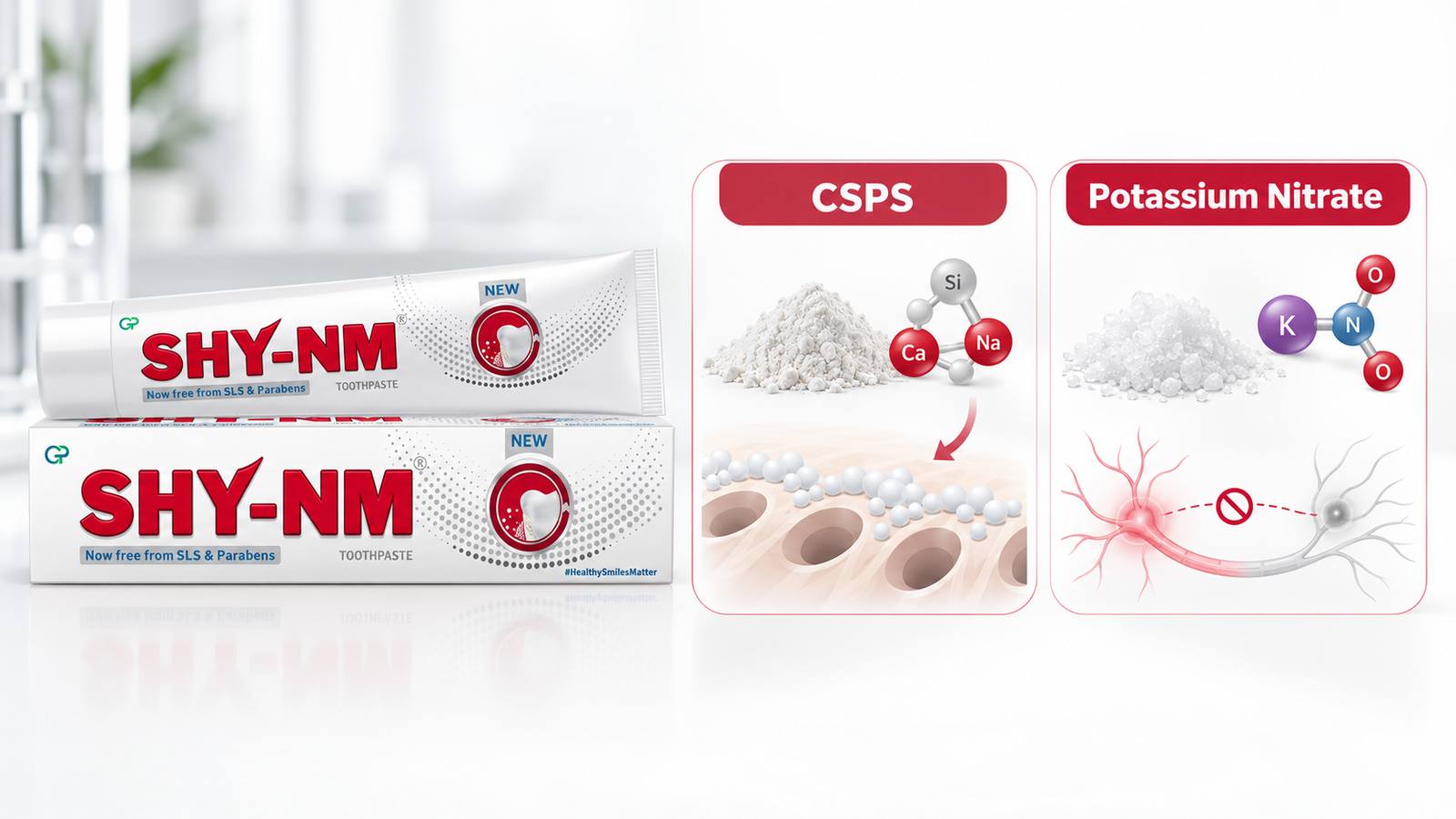
Two ingredients commonly discussed for dentinal hypersensitivity are calcium sodium phosphosilicate, also known as CSPS, and potassium nitrate. But how do they work, and what happens when they are compared directly?
A clinical study published in the Journal of Indian Society of Periodontology compared a dentifrice containing calcium sodium phosphosilicate with a dentifrice containing potassium nitrate for dentinal hypersensitivity.
Here is what the study found and what it means when comparing CSPS vs potassium nitrate for sensitive teeth.
Why Do Teeth Become Sensitive?
Tooth sensitivity occurs when dentin becomes exposed and sensitivity is triggered by certain foods and drinks.
What Causes Sudden Tooth Sensitivity?
When dentin is exposed, teeth can become sensitive to different external triggers. This can result in sudden discomfort during everyday activities such as eating or drinking.
Why Does Sensitivity Happen With Cold, Hot or Sweet Foods?
Cold, hot or sweet foods and drinks can trigger sensitivity when exposed dentin is present. This is why people with sensitive teeth may look for a toothpaste for tooth sensitivity that can help reduce these uncomfortable sensations.
How Do Sensitive Toothpastes Work?
Desensitizing toothpastes can work through different approaches to help reduce tooth sensitivity.
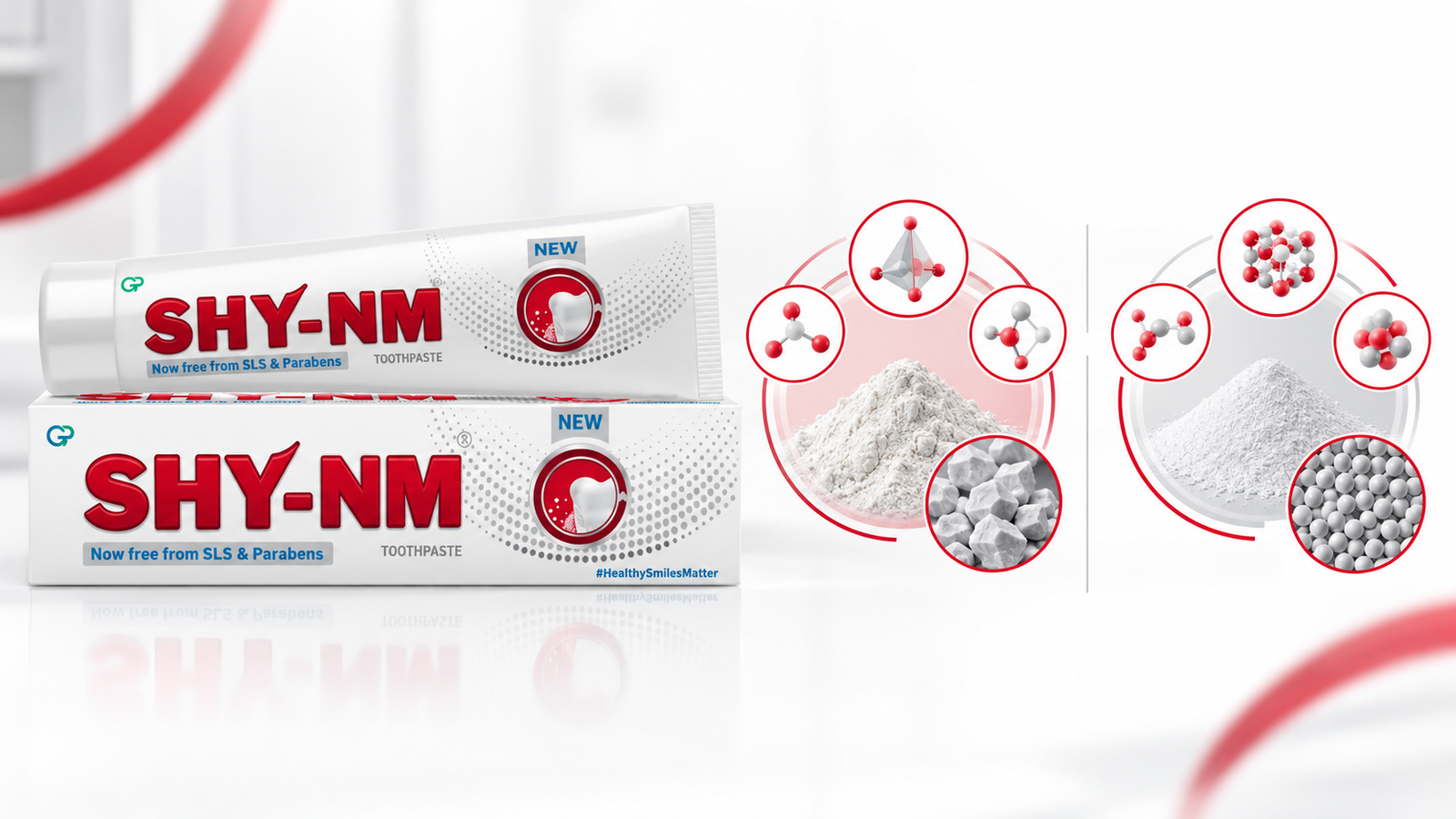
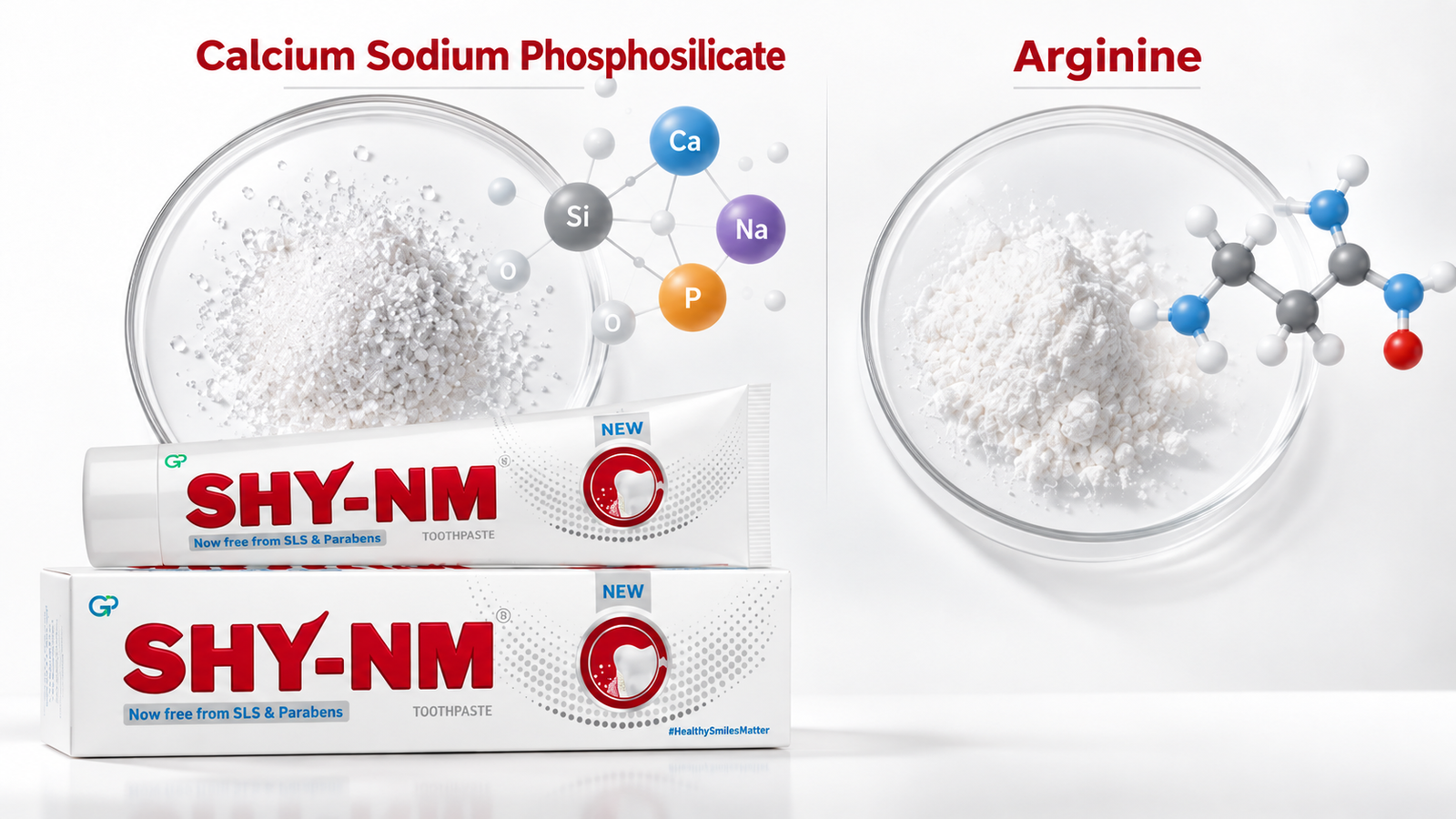
Two ingredients studied for dentinal hypersensitivity are calcium sodium phosphosilicate and potassium nitrate.
What Is Calcium Sodium Phosphosilicate or CSPS?
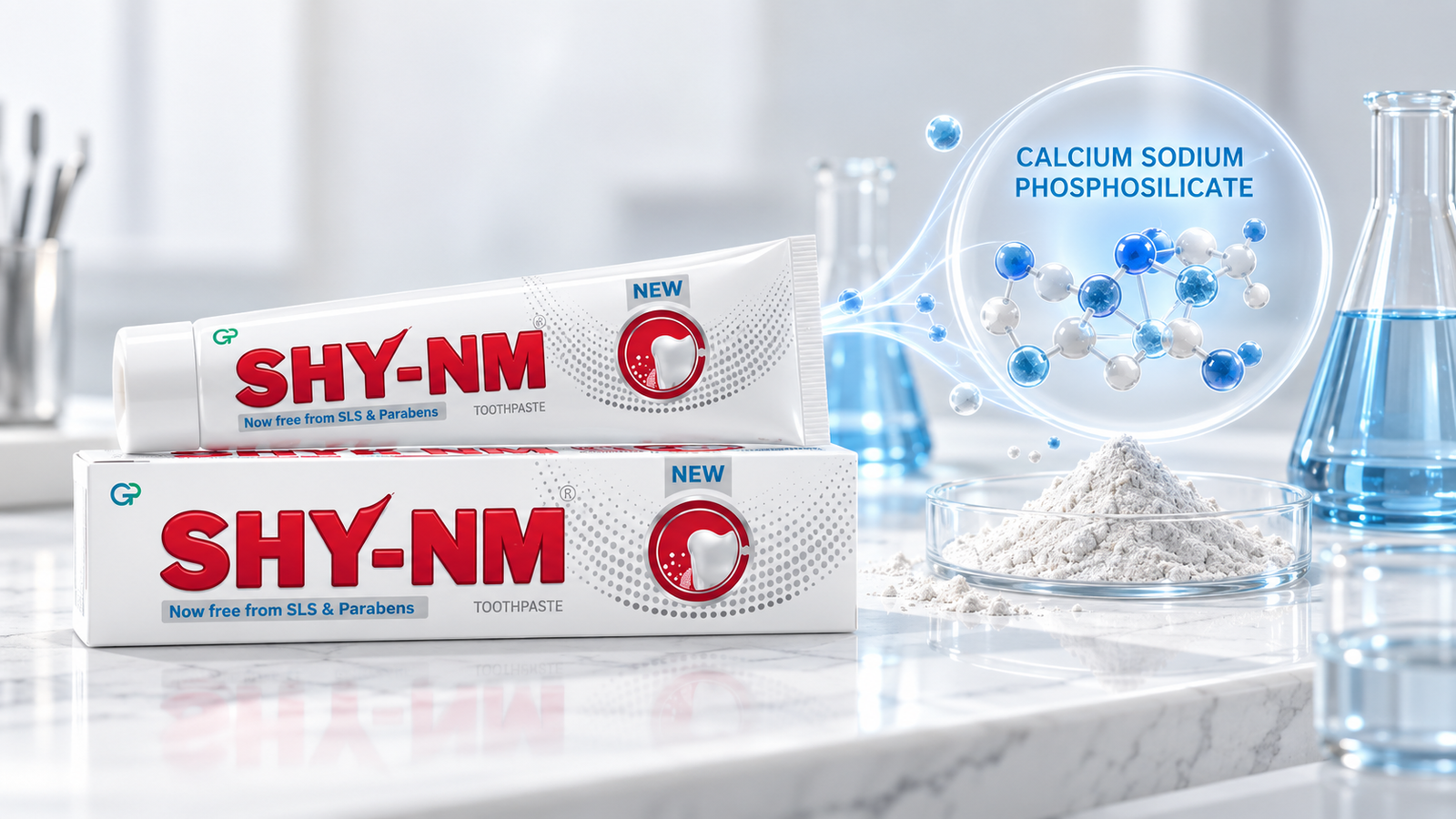
Calcium sodium phosphosilicate, commonly called CSPS, is used in calcium sodium phosphosilicate toothpaste for dentinal hypersensitivity.
How CSPS Helps Protect Exposed Dentin
CSPS helps address sensitivity by forming mineral deposits that can help protect exposed dentin.
How Mineral Deposits Help Block Open Dentinal Tubules
Exposed dentin contains open dentinal tubules. CSPS can help form mineral deposits that block these open dentinal tubules.
By helping block the pathways associated with exposed dentin, CSPS can help reduce tooth sensitivity.
What Is Potassium Nitrate?
Potassium nitrate is another ingredient used in potassium nitrate toothpaste for sensitive teeth.
How Potassium Nitrate Helps Reduce Sensitivity
Potassium nitrate helps reduce sensitivity through a different approach from CSPS. It is used in desensitizing toothpaste to help reduce the sensation associated with dentinal hypersensitivity.
CSPS vs Potassium Nitrate: What Did the Study Find?
The clinical study by Satyapal T, Mali R, Mali A and Patil V compared a dentifrice containing calcium sodium phosphosilicate with a dentifrice containing potassium nitrate for dentinal hypersensitivity.
The study found that both toothpastes reduced tooth sensitivity.
Both Toothpastes Reduced Tooth Sensitivity
Both the calcium sodium phosphosilicate toothpaste and potassium nitrate toothpaste showed a reduction in dentinal hypersensitivity.
This means both ingredients demonstrated an effect in reducing sensitivity in the clinical study.
CSPS Showed a Greater Reduction in Sensitivity
The study found a greater reduction in sensitivity with the dentifrice containing calcium sodium phosphosilicate compared with the dentifrice containing potassium nitrate.
This makes CSPS an important option to consider when comparing sensitive toothpaste formulations.
Which One Provided a More Lasting Effect?
The comparison also looked at what happened after toothpaste use was discontinued.
What Happened After Toothpaste Use Was Discontinued?
After toothpaste use was discontinued, the reduction in sensitivity was maintained for a longer period with the calcium sodium phosphosilicate dentifrice compared with the potassium nitrate dentifrice.
This finding is particularly relevant for people looking for long-lasting sensitivity relief.
The study therefore showed not only a greater reduction in sensitivity with CSPS, but also a more lasting effect after use was discontinued.
Which Sensitive Toothpaste Should You Choose?
When comparing CSPS vs potassium nitrate for sensitive teeth, both ingredients have been shown to help reduce dentinal hypersensitivity.
However, in the clinical study discussed here, the calcium sodium phosphosilicate dentifrice showed a greater reduction in sensitivity and a more lasting effect after toothpaste use was discontinued.
For people looking for the best toothpaste for sensitive teeth, this study provides clinical evidence supporting the use of a CSPS toothpaste for sensitivity management.
When to Speak to Your Dentist About Sensitive Teeth
If you experience tooth sensitivity, discussing it with your dentist can help you understand the condition and choose an appropriate sensitive toothpaste.
A dentist can help determine the most suitable approach for your individual needs.
Final Takeaway
Both calcium sodium phosphosilicate and potassium nitrate toothpastes reduced dentinal hypersensitivity in the clinical study.
However, when the two were compared, the calcium sodium phosphosilicate dentifrice showed a greater reduction in sensitivity. It also showed a more lasting effect after toothpaste use was discontinued.
For those exploring sensitive teeth treatment toothpaste options, the study provides useful evidence when considering CSPS vs potassium nitrate for sensitive teeth.
Reference:
Satyapal T, Mali R, Mali A, Patil V. Comparative evaluation of a dentifrice containing calcium sodium phosphosilicate to a dentifrice containing potassium nitrate for dentinal hypersensitivity: A clinical study. Journal of Indian Society of Periodontology. 2014;18:581–585.