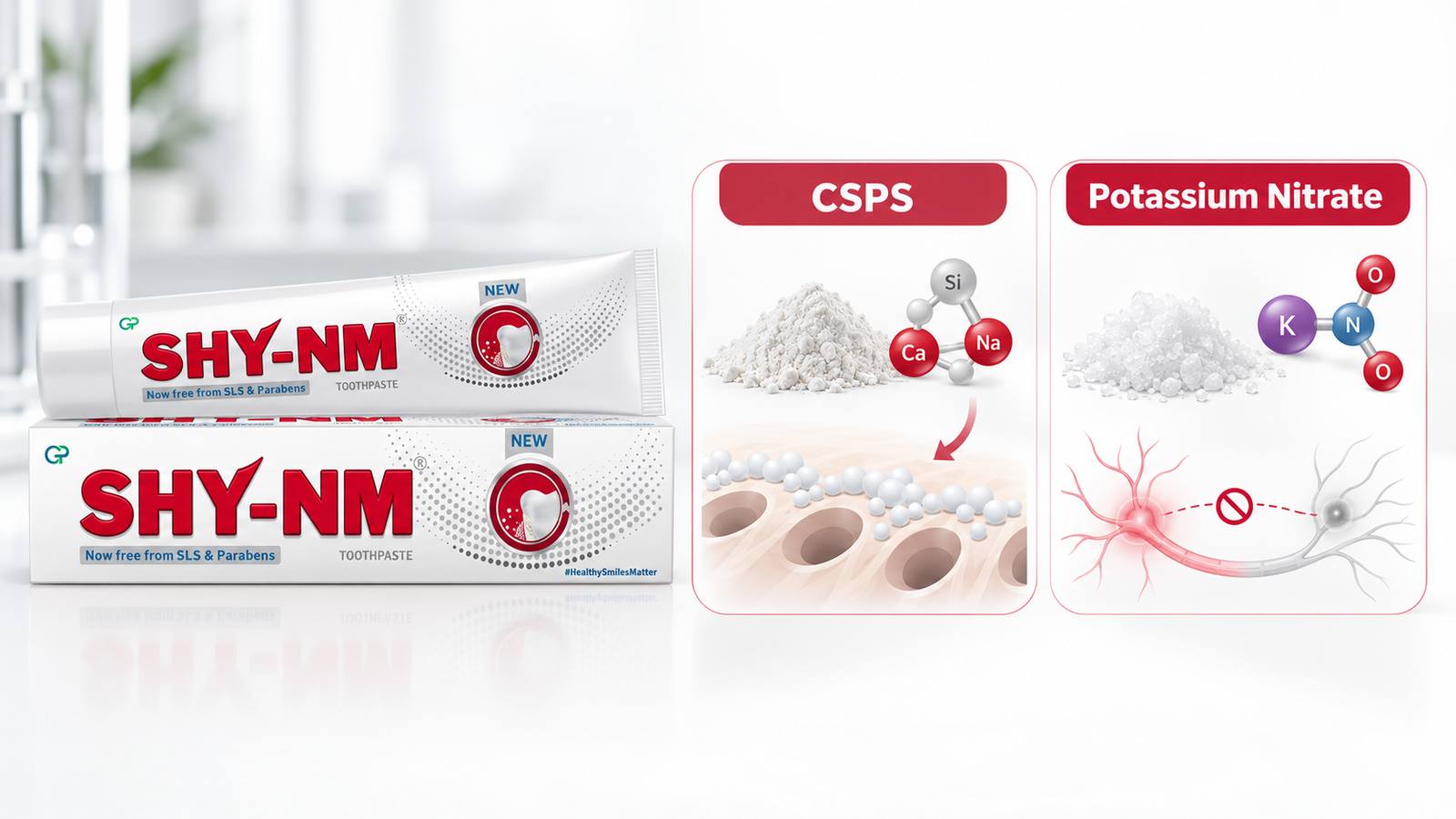
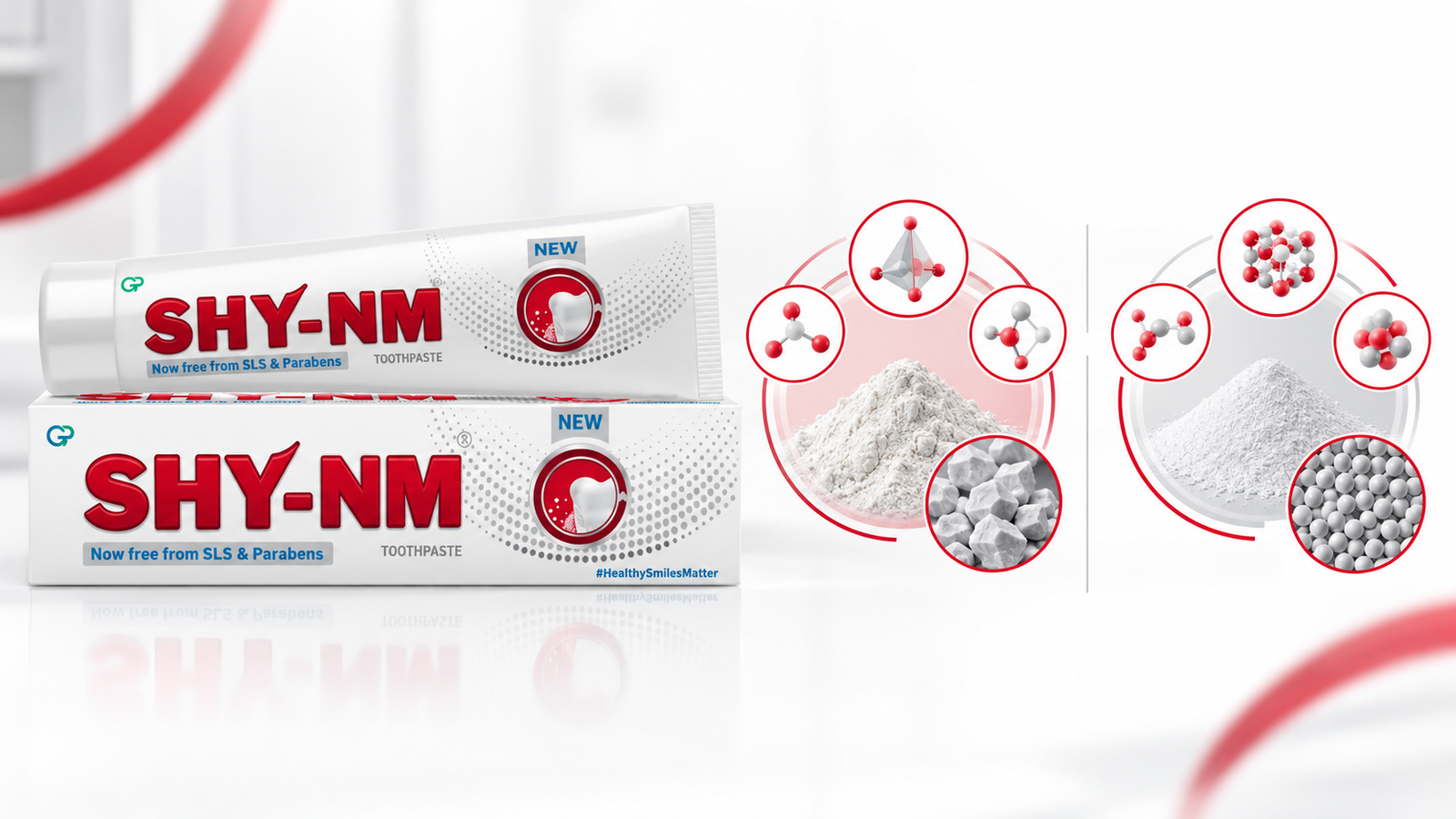
Enamel is the hard outer layer of the tooth, but it can lose minerals over time. This process can affect the strength of the enamel and is one reason people look for an enamel strengthening toothpaste or a remineralizing toothpaste.
Among the ingredients used in remineralizing toothpastes are calcium sodium phosphosilicate, also known as CSPS, and nano-hydroxyapatite.
So, when comparing calcium sodium phosphosilicate vs nano hydroxyapatite, what does the research show?
An in-vitro study published in Contemporary Clinical Dentistry compared the remineralizing potential of commercially available agents on artificially demineralized human enamel. The study measured enamel surface microhardness to evaluate the recovery of the enamel surface after treatment.
What Is Enamel Remineralization?
Enamel remineralization refers to the process of restoring minerals to enamel after mineral loss.
Why Does Tooth Enamel Lose Minerals?
Tooth enamel can lose minerals through the demineralization process. When minerals are lost from the enamel, its surface properties can change.
This is why maintaining enamel and supporting the remineralization process are important parts of oral care.
Can Tooth Enamel Recover Lost Minerals?
Enamel can undergo remineralization when minerals are available. However, remineralization should not be confused with regrowing enamel that has already been physically lost.
This distinction is important when choosing a toothpaste for weak enamel or looking for ways to support enamel health.
Ingredients Used in Remineralizing Toothpastes
Different ingredients have been studied for their potential to support enamel remineralization. Two of them are calcium sodium phosphosilicate and nano-hydroxyapatite.
What Is Calcium Sodium Phosphosilicate?
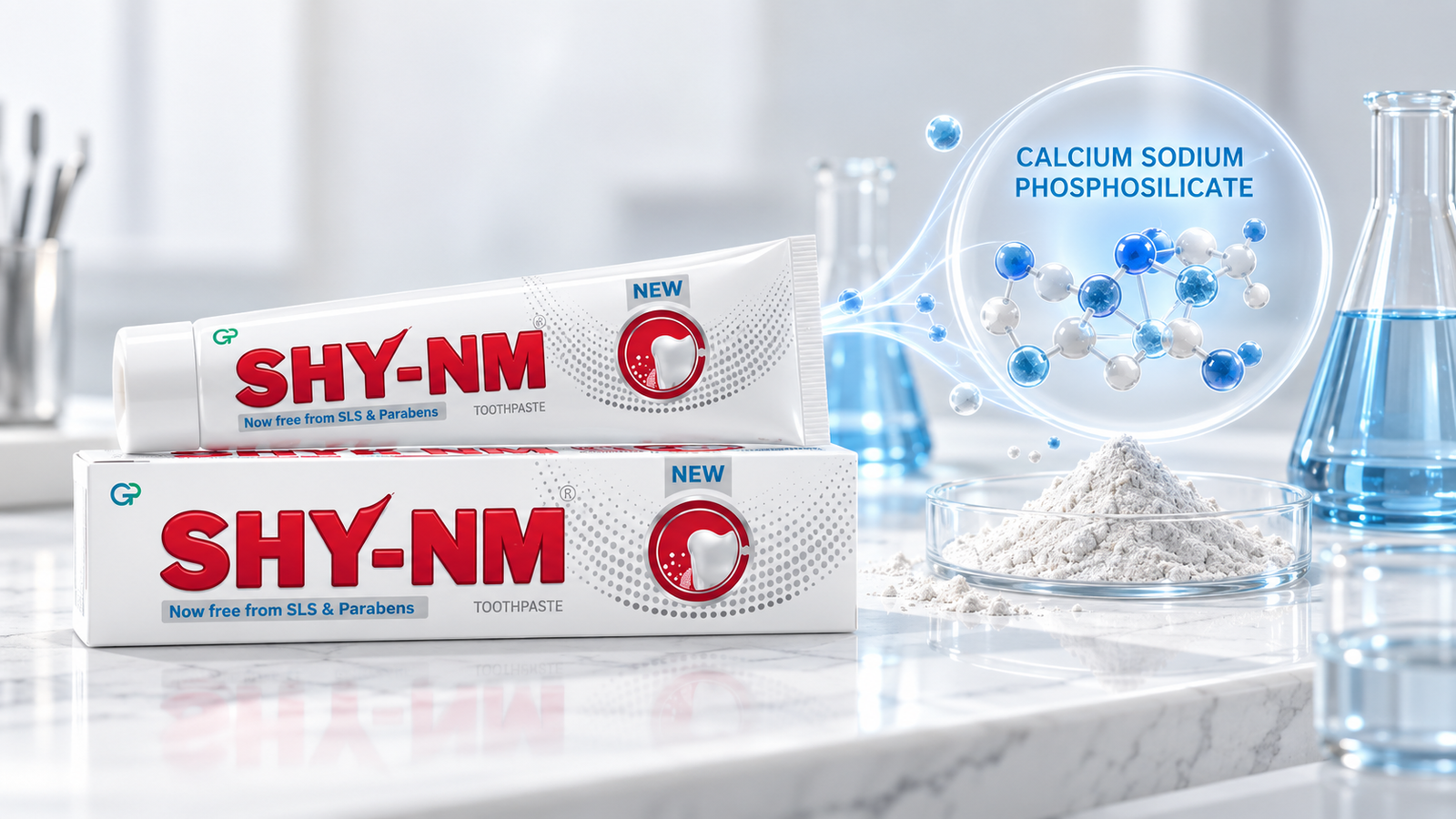
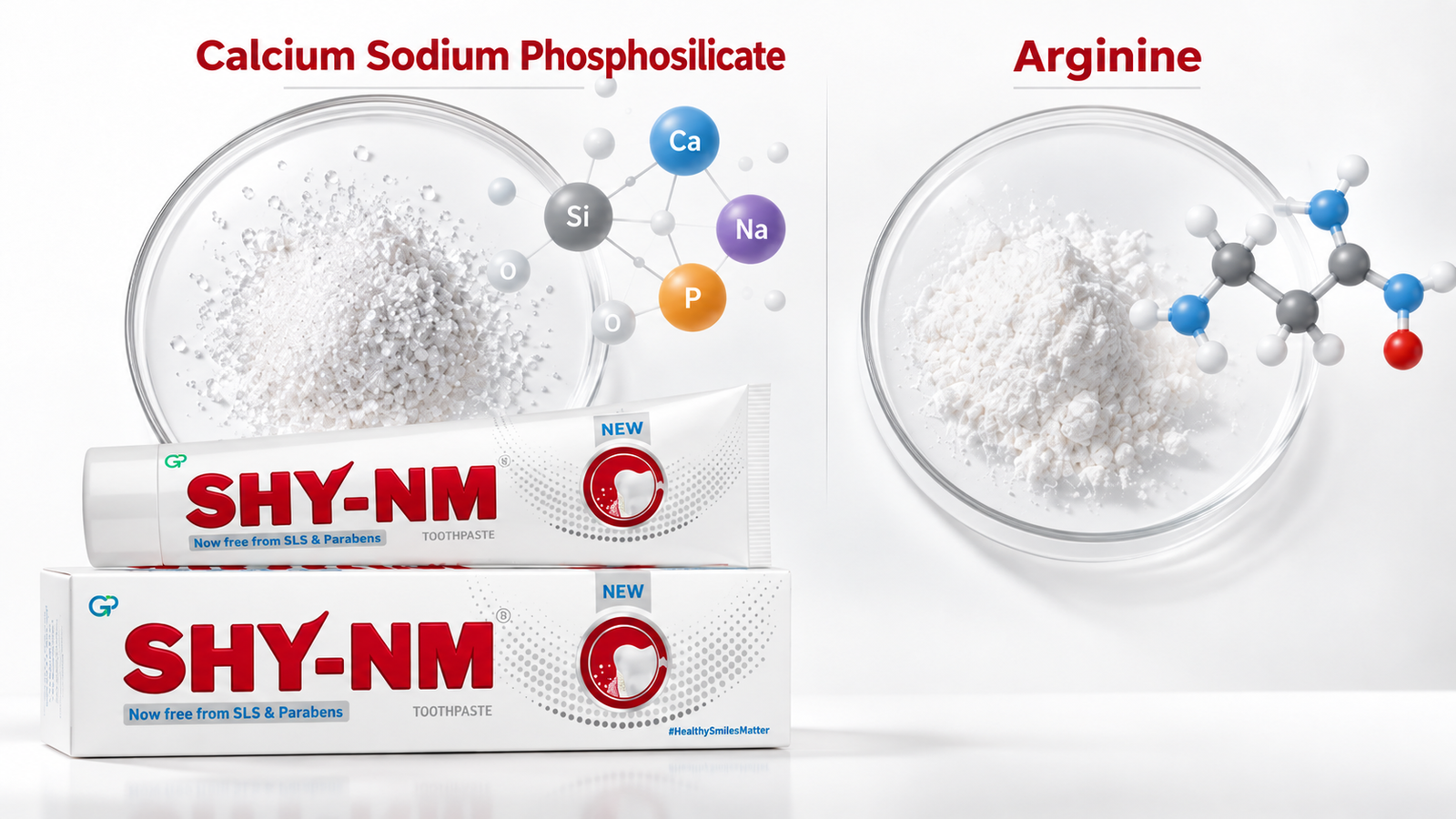
Calcium sodium phosphosilicate, commonly known as CSPS, is an ingredient used in calcium sodium phosphosilicate toothpaste.
How CSPS Creates a Mineral-Rich Environment
CSPS can create a mineral-rich environment around the tooth surface.
This provides calcium and phosphate ions that are relevant to the mineralization process.
How This May Support the Remineralization Process
The mineral-rich environment created by CSPS may support the remineralization process at the enamel surface.
The clinical significance of this process should be distinguished from laboratory findings, as the study discussed in this article was conducted in vitro.
What Is Nano-Hydroxyapatite?
Nano-hydroxyapatite is another ingredient used in nano hydroxyapatite toothpaste and has been studied for its interaction with tooth enamel.
How Nano-Hydroxyapatite Interacts With Enamel
Nano-hydroxyapatite can interact with the enamel surface and has been investigated for its potential to support enamel remineralization.
Both CSPS and nano-hydroxyapatite have therefore been studied as ingredients in remineralizing toothpaste formulations.
CSPS vs Nano-Hydroxyapatite: What Did the Study Compare?
The study by Joshi C, Gohil U, Parekh V and Joshi S compared the remineralizing potential of commercially available agents on artificially demineralized human enamel.
The study was conducted in vitro, meaning the testing was performed in a laboratory rather than in people.
How Researchers Tested Demineralized Human Enamel
Researchers used artificially demineralized human enamel and evaluated how the tested agents affected the enamel surface.
This laboratory model allowed the researchers to compare the remineralizing potential of the different agents under the conditions of the study.
Why Enamel Surface Microhardness Was Measured
Enamel surface microhardness was measured to assess changes in the enamel surface following treatment.
Recovery of surface microhardness provided a way to evaluate the remineralizing potential of the tested agents on the demineralized enamel.
What Did the Study Find?
The study found differences in the recovery of enamel surface microhardness among the tested agents.
CSPS Showed 96.75% Recovery of Enamel Surface Microhardness
In the study, CSPS showed 96.75% recovery of enamel surface microhardness.
This result was obtained from laboratory testing of artificially demineralized human enamel.
It is important to interpret this finding within the study design. Because this was an in-vitro study, the result does not mean that CSPS has been proven to rebuild enamel in people.
Instead, it shows that under the laboratory conditions used in the study, CSPS demonstrated substantial recovery of enamel surface microhardness.
How CSPS Compared With Nano-Hydroxyapatite and Other Tested Agents
The study compared CSPS with nano-hydroxyapatite and other commercially available agents.
Under the conditions of the laboratory study, CSPS showed greater recovery of enamel surface microhardness than the other tested agents, including nano-hydroxyapatite.
Therefore, when discussing CSPS vs nano hydroxyapatite, the study provides laboratory evidence of greater enamel surface microhardness recovery with CSPS under the conditions tested.
What Does This Mean for Your Tooth Enamel?
The findings provide useful information about how different remineralizing agents performed in a laboratory model of demineralized human enamel.
However, laboratory findings should not be presented as proof that one toothpaste will produce the same result in everyday use.
Why Daily Oral Care Still Matters
Supporting enamel health involves maintaining regular oral care.
A remineralizing toothpaste may be considered as part of an oral care routine, particularly when looking for toothpaste for weak enamel or enamel strengthening toothpaste.
Remineralization Does Not Mean Regrowing Lost Enamel
Remineralization and enamel regrowth are not the same thing.
The findings of this study relate to the recovery of enamel surface microhardness in artificially demineralized human enamel under laboratory conditions. They should not be interpreted as evidence that CSPS can regrow enamel that has already been physically lost.
How to Protect Enamel From Further Mineral Loss
Supporting enamel health also involves reducing factors that contribute to mineral loss.
Reduce Frequent Acid Exposure
Frequent acid exposure can contribute to enamel mineral loss.
Reducing frequent acid exposure can therefore be part of protecting enamel from further mineral loss.
Choose the Right Toothpaste With Your Dentist’s Guidance
If you are looking for a remineralizing toothpaste, toothpaste for weak enamel or an enamel strengthening toothpaste, discuss your options with your dentist.
Your dentist can help you choose an appropriate toothpaste based on your oral care needs.
Final Takeaway
When comparing calcium sodium phosphosilicate vs nano hydroxyapatite, laboratory research provides an interesting difference between the two.
In the in-vitro study by Joshi and colleagues, CSPS showed 96.75% recovery of enamel surface microhardness and demonstrated greater recovery than the other tested agents, including nano-hydroxyapatite.
However, this was a laboratory study using artificially demineralized human enamel. Therefore, the findings should not be presented as proof that CSPS rebuilds enamel in people.
The study does provide laboratory evidence that CSPS has remineralizing potential and can support further understanding of ingredients used in remineralizing toothpaste.
Reference:
Joshi C, Gohil U, Parekh V, Joshi S. Comparative Evaluation of the Remineralizing Potential of Commercially Available Agents on Artificially Demineralized Human Enamel: An In Vitro Study. Contemporary Clinical Dentistry. 2019;10(4):605–613. DOI: 10.4103/ccd.ccd_679_18. PMID: 32792818.