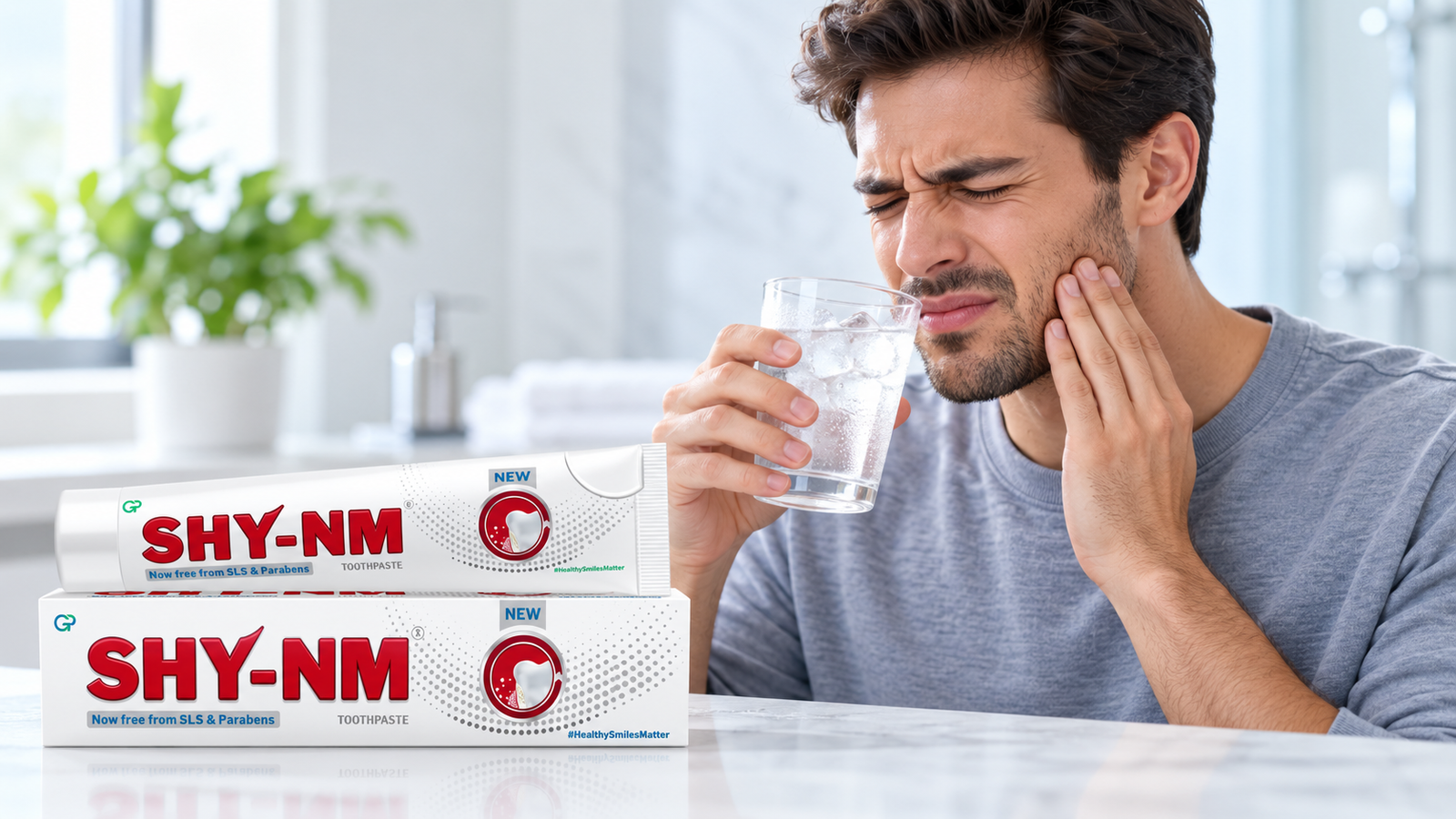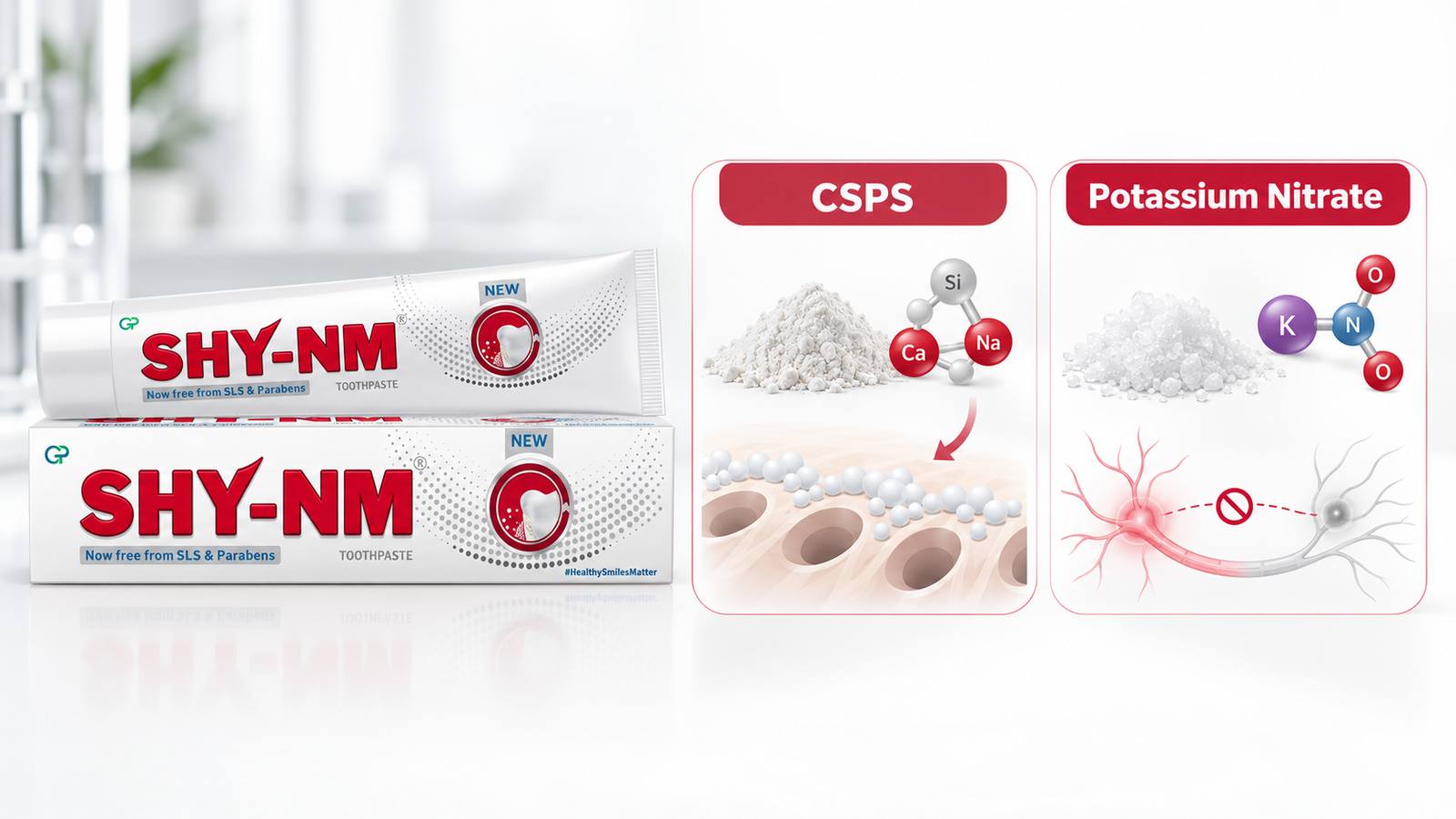
Tooth sensitivity can make everyday experiences such as eating or drinking uncomfortable. When dentin becomes exposed, open dentinal tubules can allow sensitivity triggers to affect the tooth.
This is why some sensitive toothpastes are designed to help block or occlude dentinal tubules.
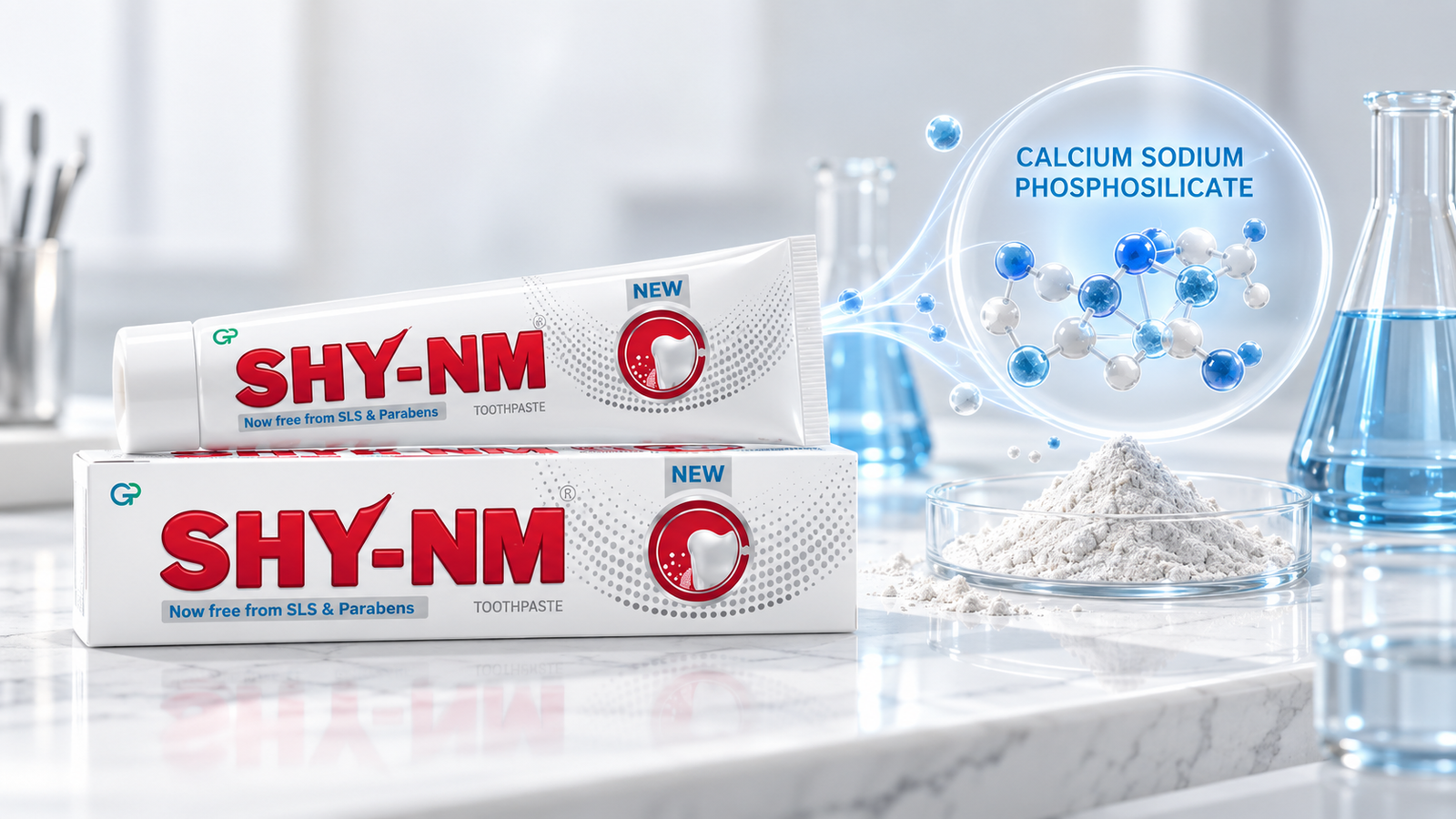
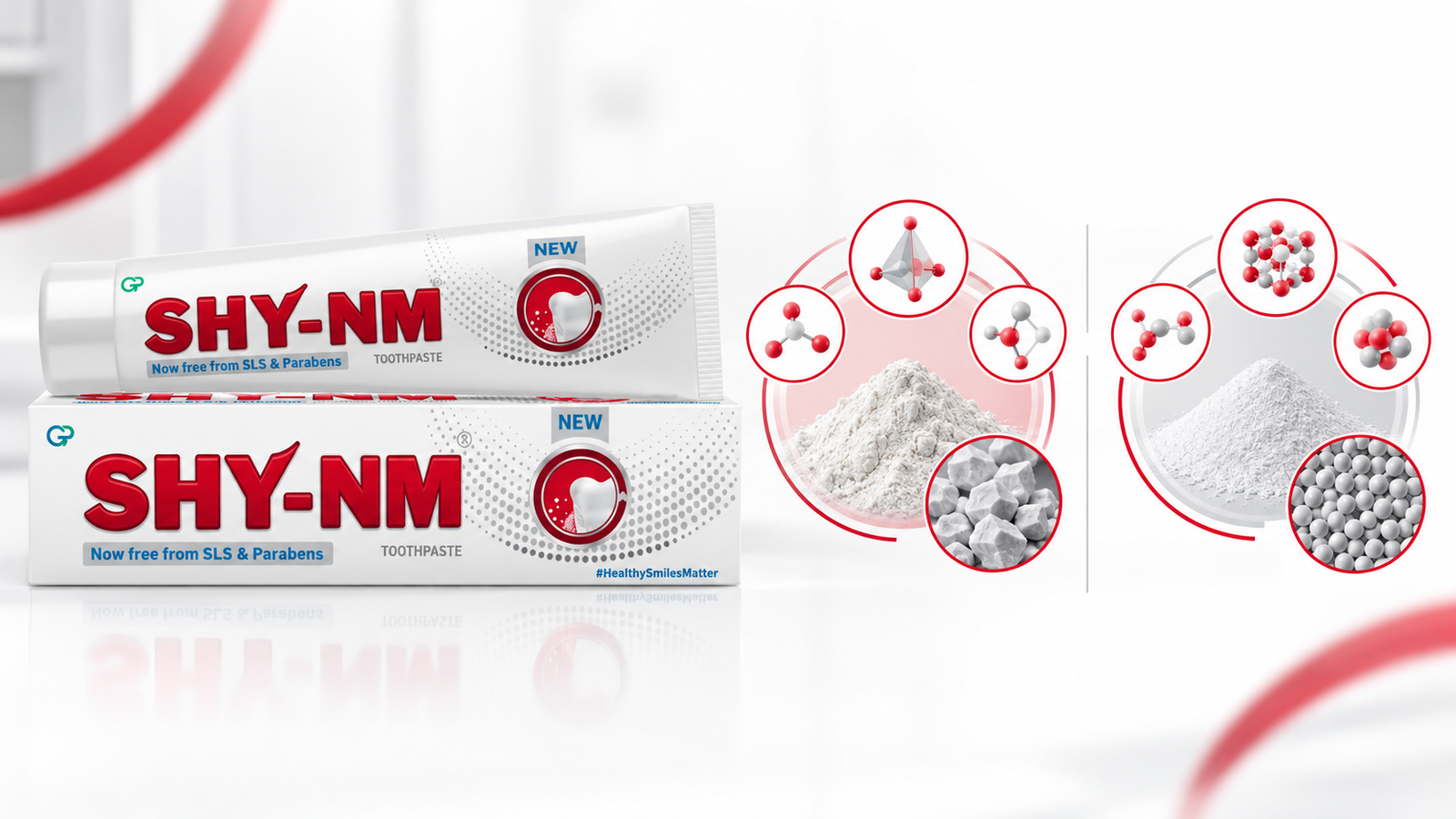
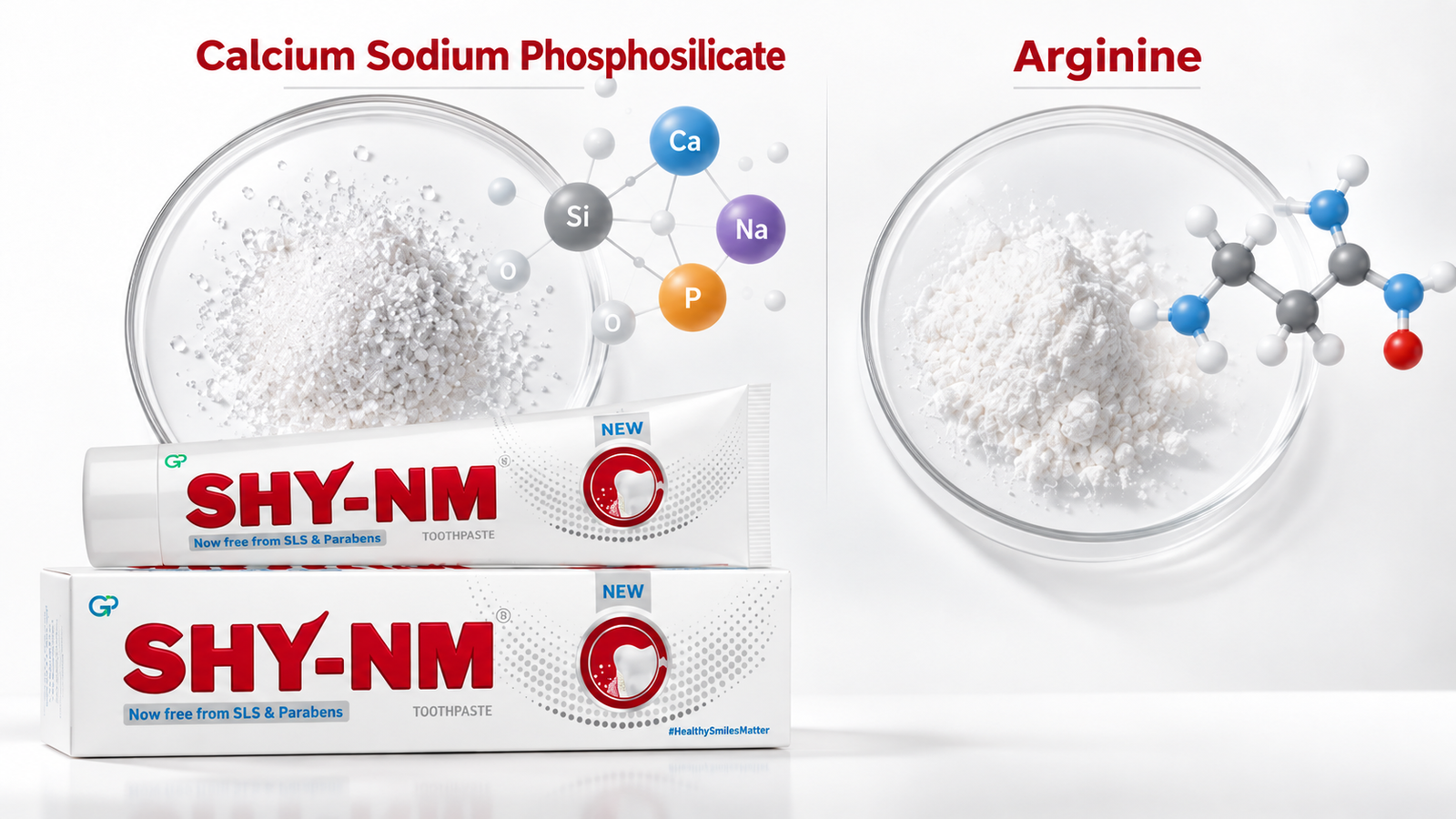
Two ingredients that have been studied for this purpose are calcium sodium phosphosilicate, also known as CSPS, and arginine. But how do they work, and what does laboratory research show when comparing CSPS vs arginine for sensitive teeth?
Why Do Open Dentinal Tubules Cause Tooth Sensitivity?
Dentin contains microscopic channels called dentinal tubules. When dentin becomes exposed, these tubules can remain open and contribute to tooth sensitivity.
What Happens When Dentin Becomes Exposed?
When dentin is exposed, the dentinal tubules can provide pathways through which external stimuli can affect the tooth.
This can contribute to the sharp sensation associated with sensitive teeth.
Why Cold and Hot Foods Can Trigger Sharp Pain
Cold and hot foods or drinks can act as sensitivity triggers when dentin is exposed.
For people experiencing tooth sensitivity, this is one reason a toothpaste that blocks dentinal tubules may be considered as part of sensitivity care.
What Is Dentinal Tubule Occlusion?
Dentinal tubule occlusion means blocking or covering open dentinal tubules.
The idea behind tubule occlusion is simple. If exposed dentinal tubules can be blocked, fewer pathways remain open on the exposed dentin surface.
Why Blocking Dentinal Tubules May Reduce Sensitivity
Blocking exposed dentinal tubules may help reduce the pathways through which sensitivity triggers affect the tooth.
This is why dentinal tubule occlusion is an important laboratory outcome when studying desensitizing toothpastes.
How Desensitizing Toothpastes Work on Exposed Dentin
Desensitizing toothpastes can contain active ingredients designed to act on exposed dentin.
Some ingredients work by helping occlude dentinal tubules. CSPS and arginine-containing formulations have both been studied for this purpose.
How Does Calcium Sodium Phosphosilicate Work?
Calcium sodium phosphosilicate, or CSPS, is used in CSPS toothpaste for sensitive teeth.
It is also associated with bioactive glass toothpaste formulations.
CSPS and Mineral Deposition on the Tooth Surface
CSPS can contribute to mineral deposition on the tooth surface.
This mineral deposition is relevant to its ability to interact with exposed dentin.
How It Helps Form a Protective Layer
The mineral deposits formed on the tooth surface can create a protective layer over exposed dentin.
How This Layer Can Help Occlude Dentinal Tubules
This protective layer can help cover and occlude open dentinal tubules.
This is the basis for studying CSPS in relation to dentinal tubule occlusion and tooth sensitivity relief.
How Does Arginine Toothpaste Work?
Arginine is another ingredient used in toothpaste for sensitivity.
Arginine-containing formulations have also been studied for their ability to help occlude dentinal tubules.
Arginine-Based Tubule Occlusion Explained Simply
In simple terms, arginine-based toothpaste is designed to help block exposed dentinal tubules.
By contributing to tubule occlusion, an arginine-containing dentifrice can help cover open tubules on the dentin surface.
CSPS vs Arginine: What Did the Study Find?
The study by Shah S, Shivakumar AT, Khot O, Patil C and Hosmani N examined the efficacy of NovaMin- and Pro-Argin-containing desensitizing dentifrices on the occlusion of dentinal tubules.
In the study, the researchers examined how effectively the tested dentifrices occluded dentinal tubules.
How Researchers Examined Dentinal Tubules
The researchers examined dentinal tubules to evaluate the extent of tubule occlusion produced by the tested desensitizing dentifrices.
This provided a laboratory measure of how much of the dentinal tubule surface was occluded.
CSPS Achieved 95.58% Tubule Occlusion
In the laboratory study, the CSPS-containing dentifrice achieved 95.58% dentinal tubule occlusion.
This result represents the percentage of dentinal tubule occlusion observed in the laboratory testing.
It should not be interpreted as 95.58% sensitivity relief.
Arginine-Based Toothpaste Achieved 89.90% Tubule Occlusion
The arginine-containing dentifrice achieved 89.90% dentinal tubule occlusion in the laboratory study.
When the two results are compared, the CSPS-containing dentifrice showed a higher percentage of dentinal tubule occlusion than the arginine-containing dentifrice under the conditions of the study.
Does Better Tubule Occlusion Mean Better Sensitivity Relief?
Tubule occlusion is an important laboratory outcome when studying desensitizing toothpaste, but it is not the same as directly measuring sensitivity relief in people.
What Laboratory Results Can Tell Us
Laboratory testing can show how effectively a toothpaste or active ingredient interacts with exposed dentin and how much dentinal tubule occlusion occurs.
In this study, the CSPS-containing dentifrice showed 95.58% tubule occlusion, compared with 89.90% for the arginine-containing dentifrice.
Therefore, the appropriate interpretation is that in this laboratory study, CSPS showed a higher percentage of dentinal tubule occlusion than the arginine-containing dentifrice.
Why Clinical Symptoms May Differ Between Individuals
A laboratory measurement of tubule occlusion does not directly measure how much sensitivity relief an individual experiences.
People may experience tooth sensitivity differently, so laboratory results should not be presented as a specific percentage of sensitivity relief.
What Should You Look for in a Sensitive Toothpaste?
When choosing a toothpaste for sensitive teeth, the active ingredient is one factor to consider.
Consider the Active Ingredient
Sensitive toothpastes can contain different active ingredients designed to address exposed dentin and sensitivity.
CSPS and arginine are two ingredients that have been studied for dentinal tubule occlusion.
The laboratory study discussed here found a higher percentage of dentinal tubule occlusion with the CSPS-containing dentifrice than with the arginine-containing dentifrice.
Persistent Sensitivity Should Be Checked by a Dentist
If tooth sensitivity continues or remains uncomfortable, it is important to have it checked by a dentist.
A dentist can help assess the cause of sensitivity and guide you towards appropriate oral care.
Final Takeaway
When comparing CSPS vs arginine for sensitive teeth, both ingredients have been studied for their ability to help occlude dentinal tubules.
In the laboratory study by Shah and colleagues, the CSPS-containing dentifrice achieved 95.58% dentinal tubule occlusion, while the arginine-containing dentifrice achieved 89.90% tubule occlusion.
This means that in this laboratory study, CSPS showed a higher percentage of dentinal tubule occlusion than the arginine-containing dentifrice.
However, tubule occlusion is a laboratory outcome and should not be described as a direct percentage of sensitivity relief. The findings provide laboratory evidence about dentinal tubule occlusion, while individual experiences of tooth sensitivity may differ.